Jun 26, 2026News & Insights
Underwater LED Light Strip Selection Guide: Pool Lighting and High-Reliability Deep-Sea Applications
Underwater LED Light Strip Selection Guide: Pool Lighting and High-Reliability Deep-Sea Applications Underwater lighting is not only an extension of aesthetics, but also a rigorous challenge to engine
Underwater LED Light Strip Selection Guide: Pool Lighting and High-Reliability Deep-Sea Applications
Underwater lighting is not only an extension of aesthetics, but also a rigorous challenge to engineering and materials science. From creating the ambiance of a private pool to simulating the ecology of a professional aquarium, and even the extreme environments of deep-sea exploration, the selection of LED light strips directly determines the success or failure and safety of a project. This article will provide an in-depth analysis of the core elements of underwater LED light strip selection for different application scenarios.
I. Core Technical Standards: IP68 is Just the Starting Point
In underwater environments, IP68 protection is the entry-level standard for all light strips. However, true "high reliability" goes far beyond this.
Key Specifications | Swimming Pool Lighting | Aquarium Applications | Deep Sea/Industrial Grade |
Waterproof Rating | IP68 (1-3 meters) | IP68 (Continuous Immersion) | IP68 (High-Pressure Encapsulation, Up to Thousands of Meters) |
Main Materials | Silicone/PU Extrusion | Silicone (Corrosion Resistant) | Epoxy Resin/Special Polyurethane Encapsulation |
Tolerances | Chlorine Resistant, UV Resistant | Salt Spray Resistant, Specific Spectrum Resistant | Extreme Pressure Resistant, Low Temperature Resistant |
Safe Voltage | 12V/24V DC | 12V/24V DC | 24V/48V or Constant Current Drive |
II. Scenarios-Based Selection Guide
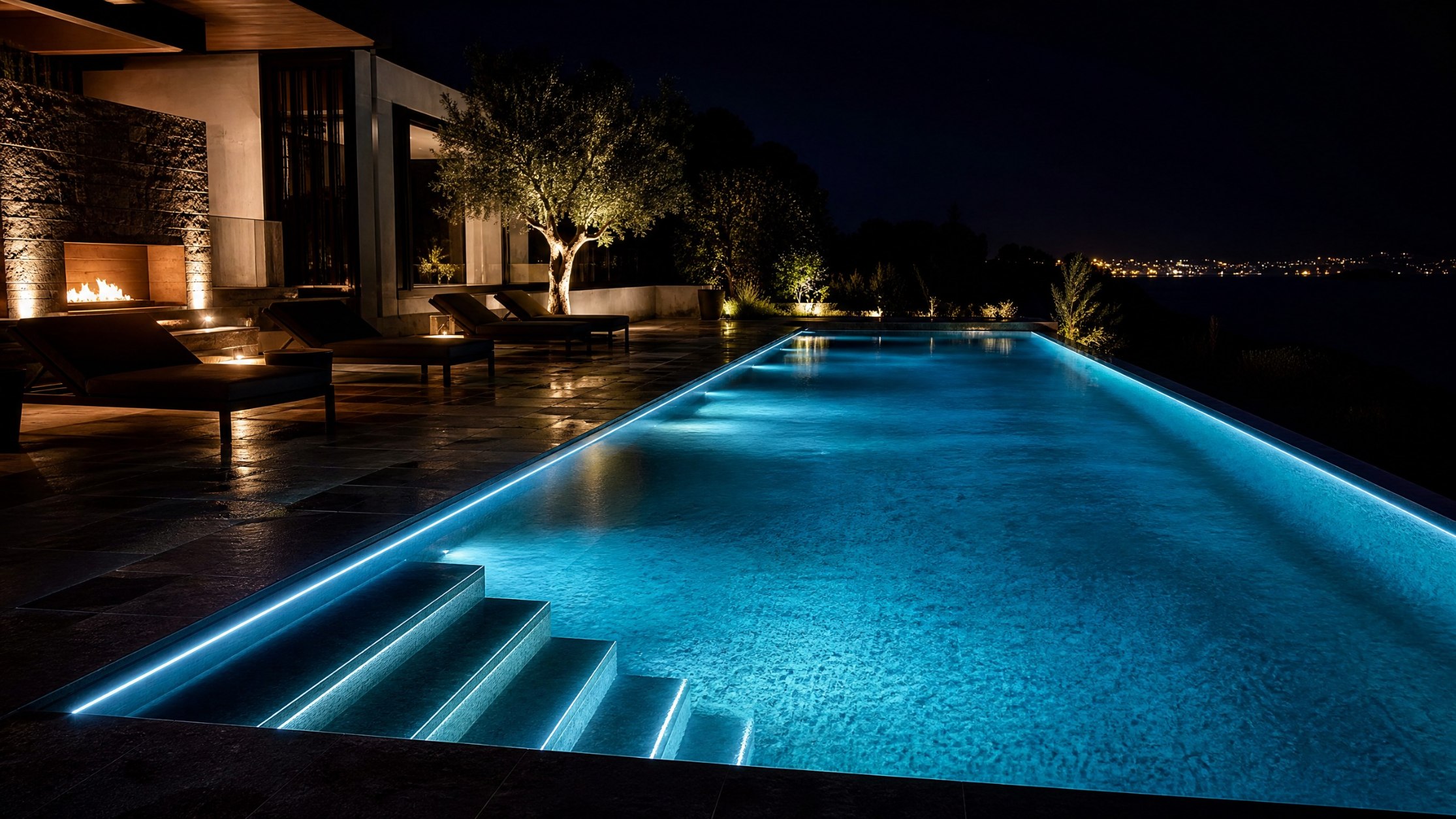
- Pool Lighting: Balancing Safety and Aesthetics The main challenges of pool light strips are chemical corrosion (chlorine/salt) and long-term ultraviolet radiation.
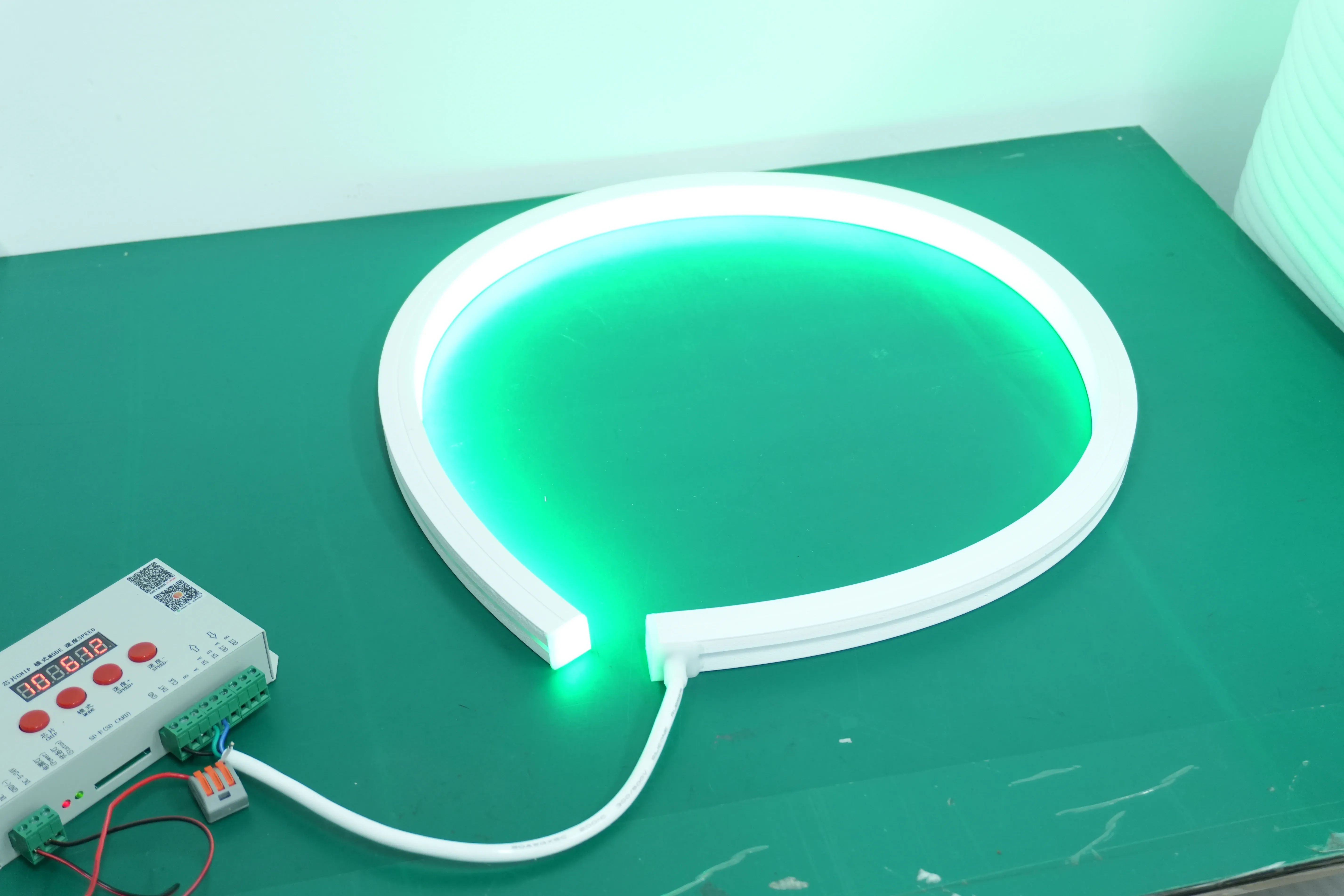
• Selection Focus: Prioritize LED strips made with full silicone extrusion technology, as they offer excellent chlorine and UV resistance.
• Light Efficacy Recommendation: Utilize an RGBW scheme, which provides pure white light for everyday illumination and allows for creating a party atmosphere through color changes.
• Installation Notes: IP68 waterproof connectors must be used, and ensure the driver is placed in a dry distribution box.
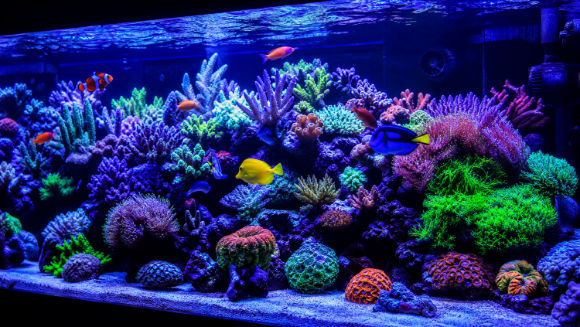
- Aquariums: Simulating the Spectrum of Natural Ecosystems Aquarium lighting strips need to be not only "bright," but also "appropriate." For reef tanks, a specific spectrum is crucial for the survival of organisms.
• Selection Focus: Pay attention to PAR (Photosynthetically Active Radiation). Coral growth requires a large amount of blue light (450-470nm) and near-ultraviolet light.
• Color Rendering: A CRI > 90 is required to reproduce the true colors of tropical fish and corals.
• Heat Dissipation Design: Aquariums are typically enclosed spaces; therefore, the lighting strips need excellent thermal conductivity to prevent localized temperature rises from affecting the water temperature.
- Deep Sea and ROV: Challenging the Limits of Physics
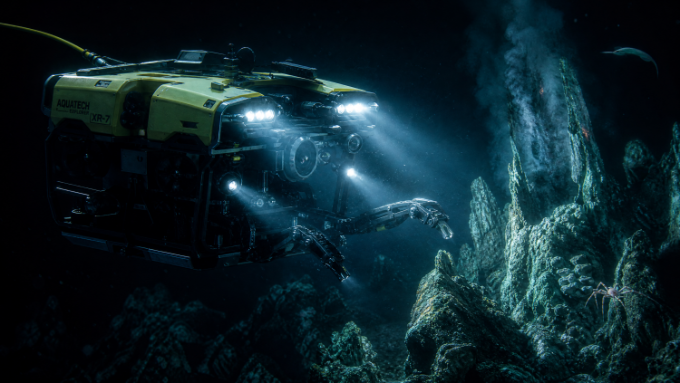
In deep-sea exploration, the light strip faces immense pressure, increasing by one atmosphere for every 10 meters of depth.
• Encapsulation Process: Traditional hollow extrusion processes collapse under pressure. A solid potting process (such as special epoxy resin or polyurethane) is necessary to eliminate air gaps within the light strip, achieving pressure balance.
• Reliability: It must pass high-pressure chamber testing, simulating the seabed environment at depths of 3000 meters or even deeper.
• Connection Technology: Watertight connectors (SubConn type) are used to ensure uninterrupted signal and power transmission under extreme pressure.
III. Avoidance Guide: Common Misconceptions in Selection
- Confusing IP67 with IP68: IP67 only supports short-term immersion in water and is strictly prohibited from use on the bottom of pools or for continuous underwater operations.
- Ignoring Voltage Drop: Underwater LED strips typically have long wiring; a 24V solution is more effective than a 12V solution in reducing brightness at distant points.
- Improper Connection Handling: 90% of underwater LED strip failures occur at the joints. Resin-filled junction boxes or heat-shrink tubing must be used for double sealing.
IV. Conclusion
Selecting underwater LED light strips is a complex undertaking. For swimming pools, material is crucial; for aquariums, the spectrum is key; and for deep-sea applications, encapsulation is paramount. While pursuing visual appeal, prioritizing electrical safety and long-term reliability is essential to ensuring the underwater lighting project withstands the test of time.